How to Apply Sunscreen: Amount, Timing and Reapplying
Five steps from dermatologists and the FDA.
We may earn a commission when you buy through links on this page, at no extra cost to you. This does not change which products we cover. How we make money.

Most sunburns come from too little sunscreen or skipping a reapply, AAD says.
The steps
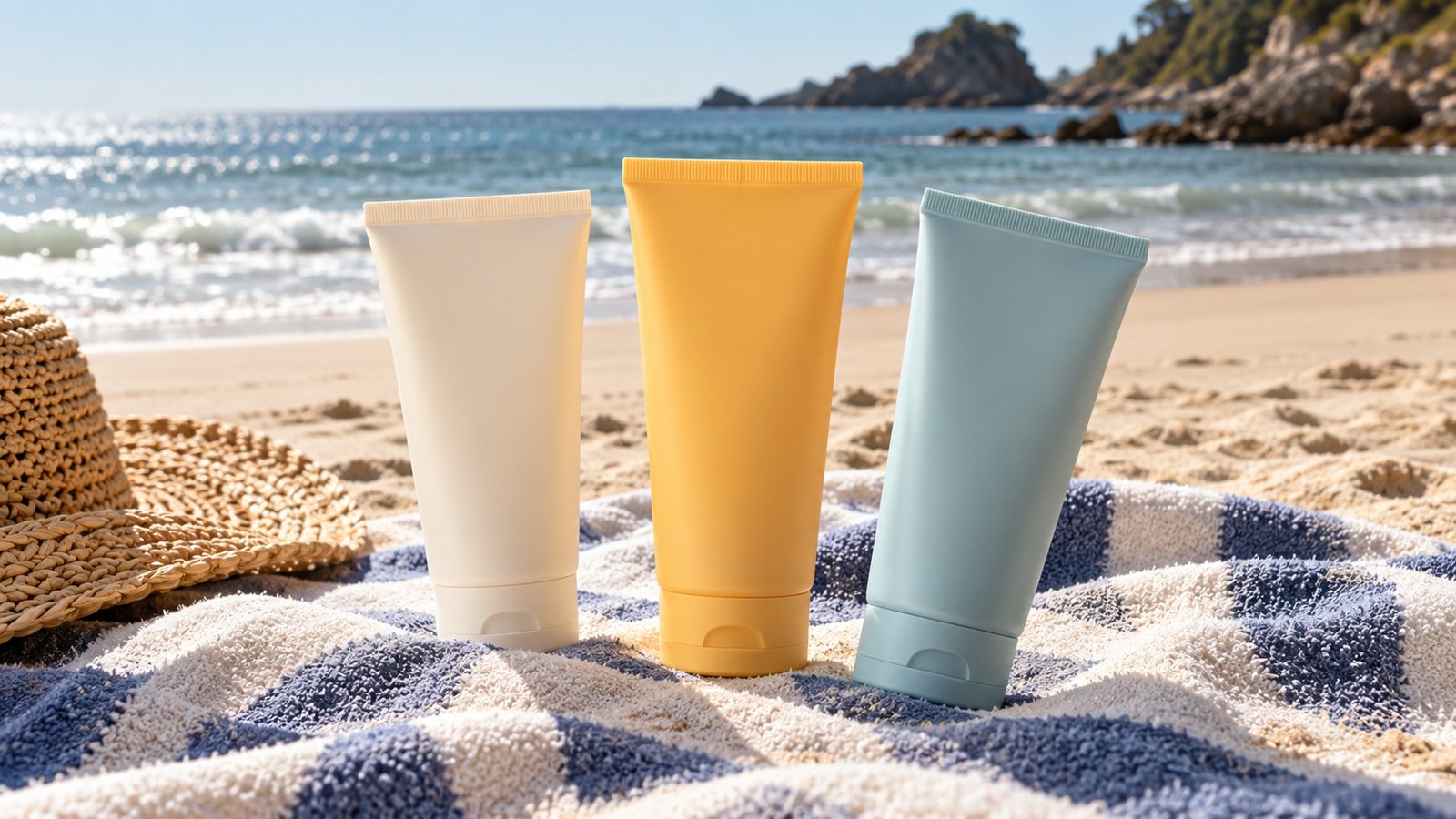
- Pick the right bottle. AAD suggests SPF 30 or higher, water resistant and broad spectrum. Browse mineral options.
- Apply 15 minutes before going out.
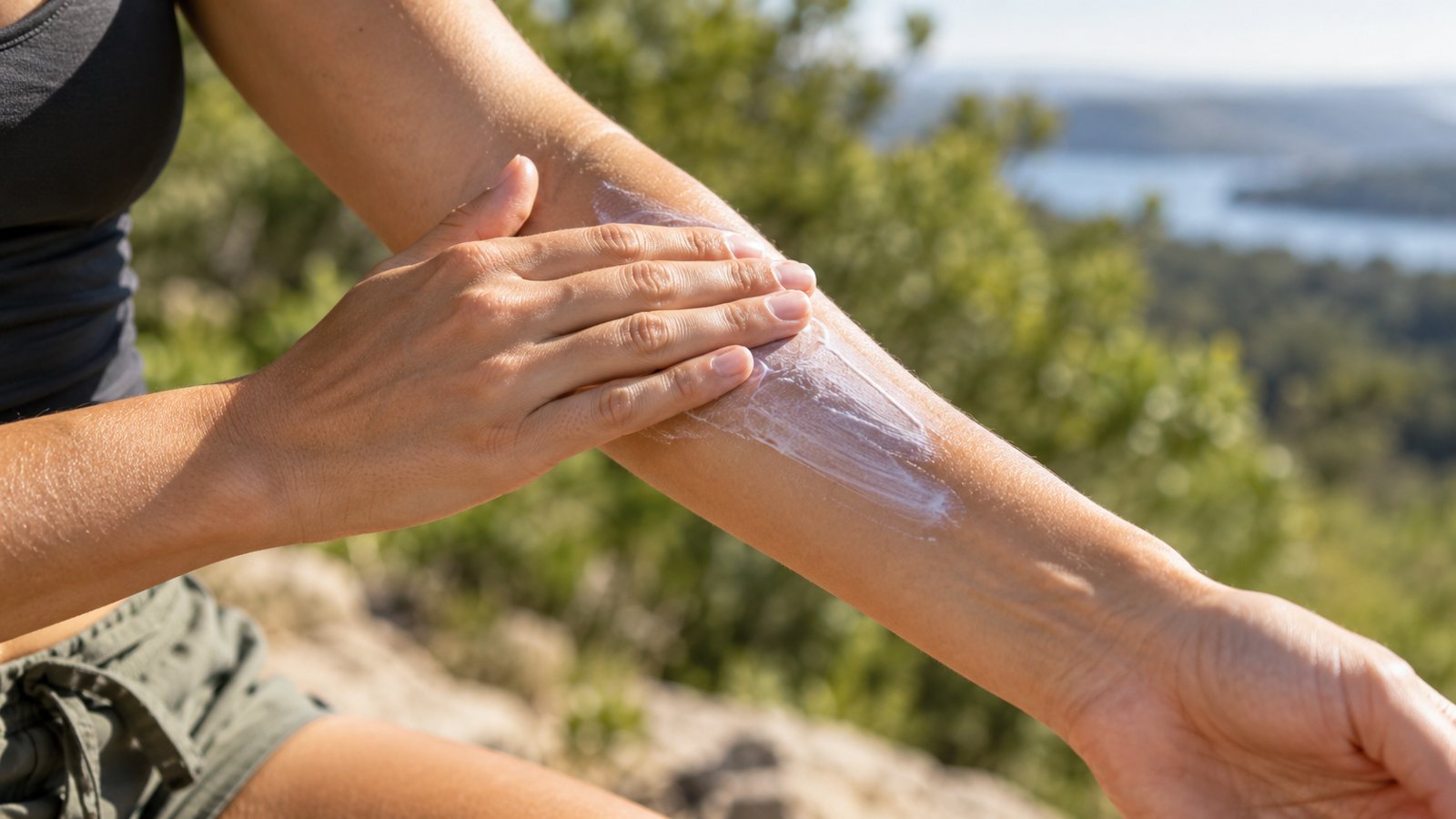
- Use enough. About 1 ounce for the body, at least 1 teaspoon for the face.
- Cover everything clothes do not. FDA lists ears, nose, lips, back of the neck, hands, tops of feet, hairline and exposed scalp as often missed.
- Reapply every two hours and right after swimming or sweating.
Storage
FDA says keep bottles out of direct sun, for example wrapped in a towel or in shade.
Babies
FDA says sunscreen is not recommended under six months. Keep infants out of the sun and ask a doctor.
Why the details matter
Timing. The AAD says skin needs about 15 minutes to absorb sunscreen. If you wait until you are already in the sun, your skin is unprotected and can burn. The FDA also says to apply 15 minutes before sun exposure.
Amount. Both the AAD and the FDA put the full-body amount at about 1 ounce, roughly a shot glass, for an average adult. The AAD says larger bodies may need more. Rub it in thoroughly.
Coverage. The AAD says to ask for help or use a spray for your back. People with thinning hair should put sunscreen on the scalp or wear a wide-brimmed hat. On lips, the AAD suggests a lip balm with SPF 30 or higher. The FDA warns never to spray sunscreen directly on your face. Spray it into your hands first, and always read the label.
Tinted formulas. The AAD says a tinted sunscreen with iron oxide adds protection from visible light, which helps prevent dark spots.
Clouds and winter. UV reaches skin every time you go outside, the AAD says, including on cloudy and winter days.
SPF and broad spectrum, per FDA
| Term | FDA explanation |
|---|---|
| SPF | Measures sunburn protection, mainly from UVB. Higher values, up to 50, give more protection. |
| Broad spectrum | Protects against both UVA and UVB. Not every sunscreen is broad spectrum, so check the label. |
| SPF and time | SPF depends on the amount of sun exposure, not the hours. SPF 15 does not mean 15 times longer in the sun. |
| Warning label | Products that are not broad spectrum, or are below SPF 15, must say they only help prevent sunburn, not skin cancer or early skin aging. |
Expiration
The FDA says a sunscreen with no expiration date should be considered expired three years after purchase. Throw out expired sunscreen, and any bottle if you do not know how old it is.
Spray flammability
Some sprays contain flammable ingredients such as alcohol, and these must carry a warning label. The FDA advises against using them near flames, cigarettes, grills or candles. Choose a non-flammable product for children who may be near a flame source.
Pair it with other protection
The FDA recommends limiting time in the sun between 10 a.m. and 2 p.m. and wearing long sleeves, pants, sunglasses and broad-brimmed hats. Sunscreen works best alongside these steps.
Frequently asked questions
How much sunscreen should I use?
AAD and FDA say about 1 ounce, a shot glass, for the body. AAD says at least 1 teaspoon for the face.
How often should I reapply?
Every two hours, and right after swimming or sweating, per AAD.